
Diabetes and vision loss: Symptoms, risks, and how to protect your eyes
Last updated: 6/9/2026
People with diabetes are at risk of developing diabetic retinopathy, which can cause vision loss and blindness.
However, understanding the risks and symptoms can help achieve an early diagnosis. Working with your healthcare provider to follow a treatment plan can go a long way toward protecting your eyesight.
Key facts about diabetes and vision loss
- Diabetic retinopathy is the leading cause of vision loss or blindness in working-age adults.
- Prioritizing annual eye exams, especially if you have diabetes, can help achieve an early diagnosis.
- Managing your diabetes by taking your medicine, staying active, and eating healthy can help prevent or delay vision loss.
What is diabetic retinopathy?
Diabetic retinopathy is an eye condition caused by the damage of high blood sugar to the blood vessels in your eye’s retina (the light-sensitive layer of cells in the back of the eye). It can lead to further eye conditions such as macular edema, cataracts, and glaucoma, and is the leading cause of blindness in working-age adults.
If you have Type 1, Type 2, or gestational diabetes (diabetes while pregnant), there is a chance you could develop diabetic retinopathy. Other risk factors include:
- High blood sugar, blood pressure, and cholesterol levels.
- Smoking.
- Being an African American, Hispanic/Latino, or Native American or Alaska Native person.
A recent study has found that hypoxia-inducible factor (HIF) can collect in certain cells in the retina during intervals of hypoglycemia (an episode of low blood sugar). This leads to the breakdown of the blood-retinal barrier, contributing to the retina damage and vision loss that occurs with diabetic retinopathy. This is why it is important to manage your blood sugar levels appropriately.
What are the symptoms of diabetic retinopathy?
Although you may not notice symptoms in the early stages of diabetic retinopathy, it is important to contact your eye doctor if you experience the following:
- Blurry or spotty vision.
- Trouble seeing colors.
- Dark or blind spots in vision.
- Vision loss.
How do I know if I have diabetic retinopathy?
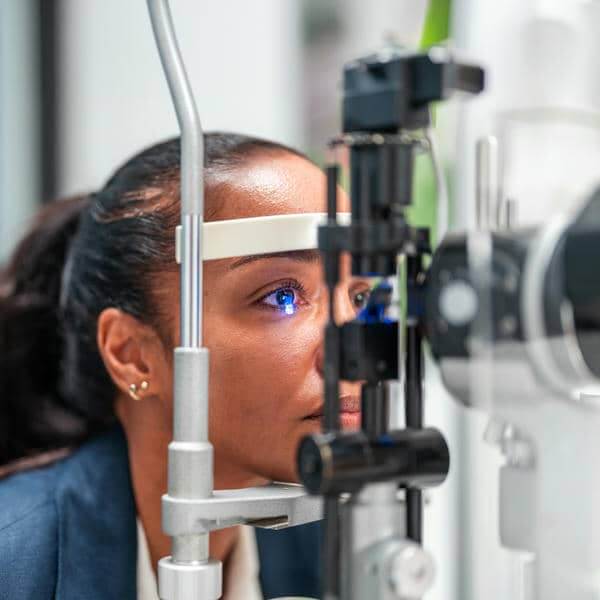
It is recommended to have your eyes examined annually by an eye doctor, even if you aren’t having issues with your vision. Early diagnosis allows for faster implementation of a treatment plan.
If you have recently been diagnosed with Type 2 diabetes, it is important to have your eyes examined for diabetic retinopathy immediately. Those who have been diagnosed with Type 1 diabetes should have an eye exam within five years of diagnosis. If you are pregnant and have been diagnosed with diabetes, your healthcare provider may recommend additional eye exams throughout your pregnancy.
How is diabetic retinopathy treated?
Having your diabetic retinopathy treated as soon as possible can repair damage to the retina and reduce the risk of blindness. Common treatment plans include:
- Laser therapy (laser photocoagulation).
- Medicines such as VEGF inhibitors or corticosteroids.
- Vitrectomy (surgery procedure).
- Reattachment of the retina (if detached).
Can I prevent or delay eye diseases related to diabetes?
There are some things that you can do to protect your vision and lower the chances of experiencing vision loss and blindness.
- Schedule a dilated eye exam once a year. Regular exams allow your doctor to catch problems when they are most treatable.
- Manage your blood sugar levels. Over time, extremely high or low blood sugar levels can damage your eyes’ blood vessels, leading to blurred vision. Special lab tests like an A1C test can evaluate your management plan.
- Maintain target-range blood pressure and cholesterol levels. Controlling these levels lowers your risk for eye disease and vision loss.
- Quit smoking. Stopping smoking and other nicotine usage lowers your risk for diabetes-related eye diseases and improves overall health.
- Get active. Physical activity helps you manage diabetes and protect your eyes.
How Capital Blue Cross can help
Capital Blue Cross offers a variety of resources and programs to help you manage diabetes. Our care management team can help you manage the testing, medications, appointments, and other needs you may have. To get started, call our team at 888.545.4512.
FAQs
Am I at risk of diabetic retinopathy?
Although not everyone with diabetes has diabetic retinopathy, the chances of developing it are significantly higher in people with unmanaged blood sugar levels and those who have had diabetes for a longer period of time.
What other conditions can diabetic retinopathy cause?
Diabetic retinopathy can lead to other serious eye conditions such as diabetic macular edema (DME), neovascular glaucoma, and retinal detachment.
This is not medical advice and is not intended to be a substitute for professional medical advice, diagnosis, or treatment. Always seek the advice of your physician or other qualified health care provider with any questions you may have regarding a medical condition or treatment. The information provided is meant for a general audience. Capital Blue Cross and its affiliated companies believe this health education resource provides useful information but does not assume any liability associated with its use.