
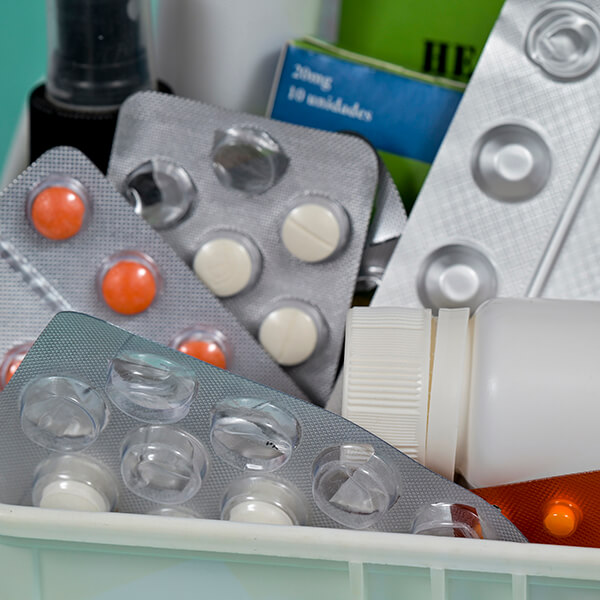
How to dispose of unused or expired medication: 4 options for safe drug disposal
Last updated: 8/10/2026
Unused or expired medication should be disposed of as soon as possible.
Proper disposal can reduce the risk of the medication being taken by someone it wasn’t prescribed for, such as a child or pet, or misused intentionally. In 2023, there were an estimated 67,000 ED-treated injuries involving pediatric poisonings for children younger than age 5.
The best way of disposing of unused or expired medication is by utilizing the drug take-back programs held by the U.S. Drug and Enforcement Administration (DEA), but there are other options if one of these programs are not available to you.
1. Drop off medication at DEA-approved take-back locations.
You can locate a nearby site that collects unused medicine through drop-off boxes by searching on the DEA's year-round drop-off site locator. To prepare medications for disposal, ensure that they are in the original bottle or a sealed container and that personal information, such as your full name, address, prescribing doctor, and pharmacy details, is removed or marked out.
2. Send medication to DEA-registered facility using prepaid mail-back envelopes.
Similarly, when using prepaid drug mail-back envelopes, collect unused or expired medication in the envelope before sealing and mailing it using the U.S. Postal Service. These envelopes can be purchased through online retail pharmacies or your local pharmacy.
3. Check if your medication is on the DEA’s flush list.
If you do not have access to a take-back location or mail-back envelope, you can check the DEA’s flush list to see if you are able to flush your unused or expired medication instead. The medicines on this list can be dangerous or even lethal if misused, abused, or taken inappropriately.
You should only flush your unused or expired medicine if it is on the flush list and you do not have a take-back option readily available.
4. If necessary, properly dispose of your medication in the trash.
In the case that you do not have access to any drug take-back programs and your medicine isn’t on the flush list, you can dispose of it in the trash. However, the FDA recommends a few preventative measures to ensure that they are not found and ingested by someone else after disposal.
It is recommended to mix your unused or expired medicine with an unappealing substance, such as used coffee grounds or cat litter, before sealing the mixture in a plastic bag and throwing it away. You should not crush your pills before disposal. When disposing of empty packaging, you should mark out your personal information from the prescription label.
FAQs
Which items are accepted at prescription drug take-back drop-off sites? Which items aren’t accepted?
Medications and items that will be accepted at take-back locations include:
- Over the counter medications
- Prescription medications
- Prescription patches
- Prescription ointments
- Vitamins
- Pet medicines
Medications and items that will not be accepted at take-back locations include:
- Hydrogen peroxide
- Compressed cylinders or aerosols (e.g., asthma inhalers)
- Iodine-containing medications
- Thermometers
- Alcohol or illicit drugs (i.e. marijuana, heroin, LSD, etc.)
How do I dispose of needles, syringes, and other sharps?
The U.S. Food and Drug Administration (FDA) recommends following a two-step process for properly disposing of used needles, syringes, and other sharps. First, collect all needles and other sharps in a sharps disposal container immediately after use. Be careful not to overfill or reuse sharps disposal containers.
Next, properly dispose of used sharps disposal containers according to your community guidelines. Contact your local trash removal services or health department to find out if disposal methods such as drop boxes or supervised collection sites, household hazardous waste collection sites, mail-back programs, and residential special waste pick-up services are available in your area.
What is accidental pediatric exposure to medicine? How can I prevent it?
A major cause of pediatric poisoning is when children accidentally ingest or are exposed to medicine in the home. In 2023, there were an estimated 67,000 ED-treated injuries involving pediatric poisonings for children younger than age 5.
To reduce the risk of accidental exposure, it is best to keep medication out of reach of those it is not prescribed to. Utilizing drug-take back programs is the best way to dispose of unused or expired medication and prevent unintended ingestion by children, pets, or other adults.
This is not medical advice and is not intended to be a substitute for professional medical advice, diagnosis, or treatment. Always seek the advice of your physician or other qualified health care provider with any questions you may have regarding a medical condition or treatment. The information provided is meant for a general audience. Capital Blue Cross and its affiliated companies believe this health education resource provides useful information but does not assume any liability associated with its use.