
How former bedside nurse uses data to connect people, doctors, and better health outcomes
Last updated: 5/4/2026
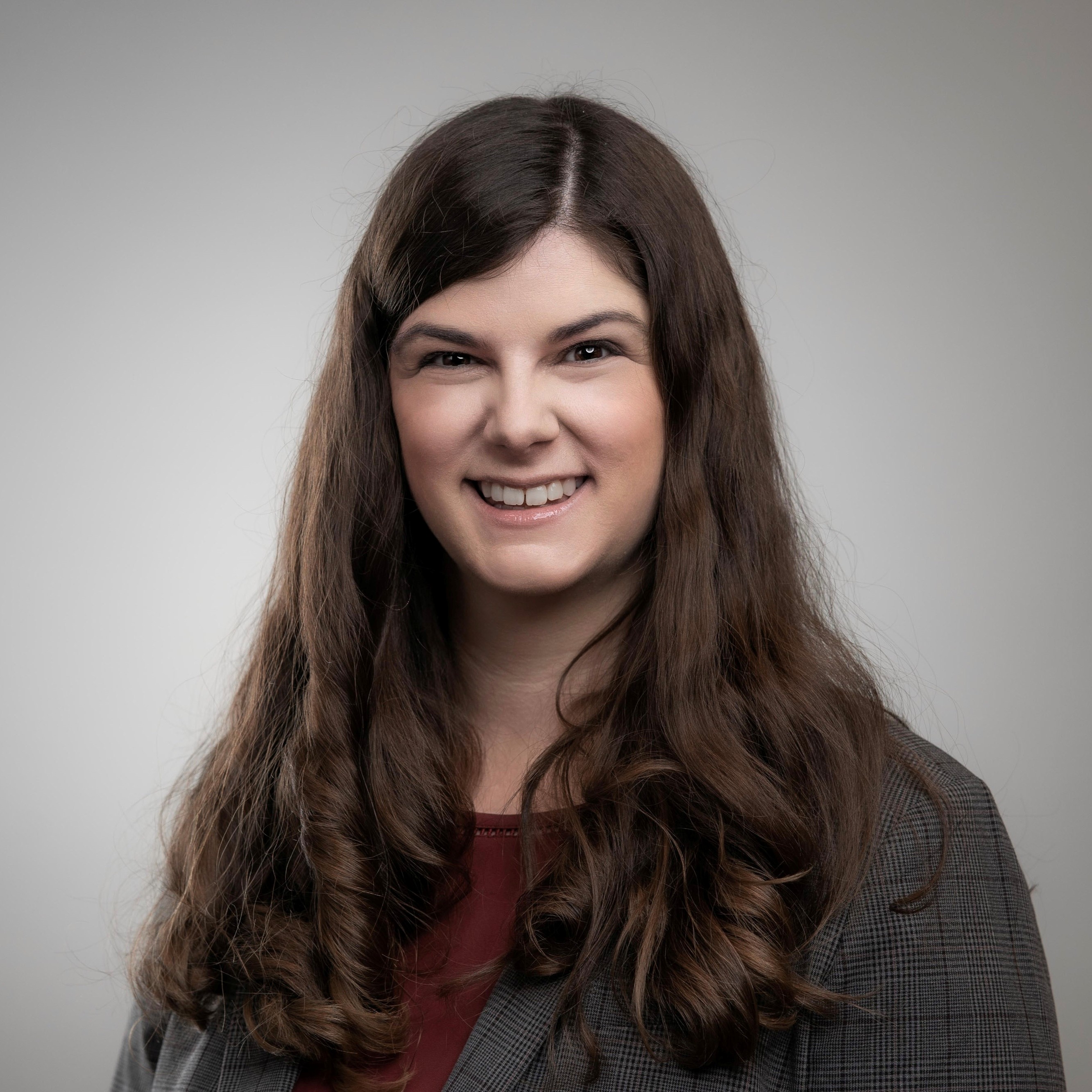
Kristy Houston spends much of her day immersed in data – yet she approaches it through a deeply human lens.
Every data point represents a person navigating an increasingly complex healthcare system, and every trend signals an opportunity to help more people improve their health.
As a Senior Healthcare Engagement and Outcomes Consultant at Capital Blue Cross, Houston’s role is to turn those insights into action.
That ability to translate numbers into meaningful, human-centered solutions is rooted in her background as a nurse. Long before she came to Capital Blue Cross, Houston was learning how to listen, advocate, and understand the full context of a patient’s life.
“What does this patient really need?” is a question she asked repeatedly at the bedside – and it remains the guiding focus for her work today. Now, instead of asking it one patient at a time, she asks it at scale.
Houston is one of more than 150 nurses or former nurses embedded throughout Capital Blue Cross, bringing a clinical perspective to many of the programs and decisions that impact its members and the care they receive from outside providers.
As part of Capital’s population health team, Houston focuses on identifying gaps in care and determining which levers will best improve outcomes. Do members need more education on preventive screenings? Or do they need additional support through Capital’s care management team to address a chronic condition in coordination with their doctor?
Her work is deeply strategic, grounded in data but shaped by years of direct patient care that taught her what happens when healthcare systems fail to connect.
Before coming to Capital, Houston spent more than a decade as a bedside nurse in inpatient oncology and pediatrics.
She cared for patients across the age spectrum – from older adults facing complex cancer decisions to children with chronic conditions or acute injuries – often navigating challenging family dynamics alongside clinical care.
Those experiences shaped how Houston approaches her work today. Years of one on one engagement taught her how patients understand their conditions, where confusion or barriers arise, and how easily people can fall through the cracks once formal care ends.
It reinforced the importance of advocacy and timing – meeting people where they are and stepping in early.
“One of the skills that comes with being a nurse is the ability to communicate with both patients and doctors,” she said. “We speak both languages to get everybody connected and fill in the gaps.”
Filling the gaps with diabetes support
That approach is especially evident in how Houston identified a gap among members and helped Capital create a diabetes-management program to address it.
Data showed that while Capital members with complex, chronic diabetes were receiving care management support, those who were newly diagnosed were largely not being engaged early – despite signs that earlier intervention could improve outcomes.
Houston used population health data to define the need and helped coordinate the implementation of a technology-enabled program focused on diabetes prevention, management, and, in some cases, reversal. In 2021, Capital became the first Pennsylvania health insurer to offer a program designed to help manage the health impacts of Type 2 diabetes.
Since the programs launched, participating members have collectively lost more than 135,000 pounds, reduced prescription medication use by an average of 47 percent in the first year, and lowered A1c levels by about one full point. The programs have also helped Capital employer group customers save more than $20 million.
Motivated by better outcomes
The diabetes program is just one example of how Houston uses data to identify gaps in care and help connect members to the support they need – often before more serious health issues emerge.
That blend of clinical insight, educational expertise, and data fluency allows Houston to connect dots across the company. What keeps her motivated is the ability to see measurable results.
“I’m in an interesting position because I’m connected to the data,” Houston said. “Not only do I get to implement things but I also get to watch them work. So I get a lot of satisfaction saying, ‘this is how many members we helped.’ I can see the A1 C rates declining. I can see the process working.”
For Houston, those data points are never just metrics. They represent people getting better care, better support, and a better chance at maintaining health. It’s quality nursing care, just practiced from a different perspective – but with the same purpose she carried from the bedside.
This is not medical advice and is not intended to be a substitute for professional medical advice, diagnosis, or treatment. Always seek the advice of your physician or other qualified health care provider with any questions you may have regarding a medical condition or treatment. The information provided is meant for a general audience. Capital Blue Cross and its affiliated companies believe this health education resource provides useful information but does not assume any liability associated with its use.